
- Home
- Epigraphs
- Contents
- Notes on Names and Terms
- Maps and Charts
- Preface
- Introduction
- Acknowledgements
- Part I: The Empire of Fortune
- 1. Out of the Mists
- 2. First Encounters
- 3. Sea Otter Hunters
- 4. Buying and Selling Clayoquot
- 5. Fort Defiance and the Destruction of Opitsat
- 6. Tales the Tonquin Tells
- 7. The In-between Time
- Part II: War for the Woods
- 8. Possessions and Dispossessions
- 9. Maximum Yield in the Balance
- 10. Contested Ground
- 11. History’s Possession
- Notes
- Photographs


Photographs
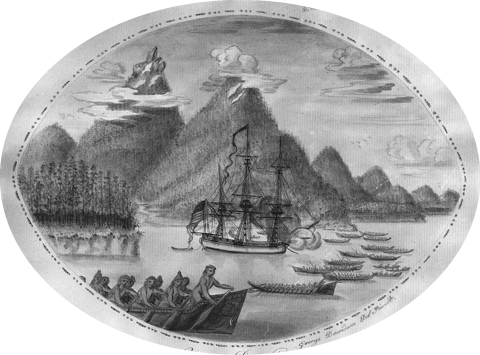
Painting of Columbia Rediviva by George Davidson, illustrator for Robert Gray’s second voyage on the ship. Canoes greet the ship, which fires a salute. Oregon Historical Society Research Library
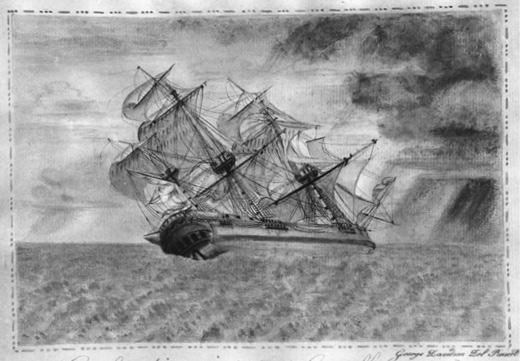
Painting of Columbia Rediviva by George Davidson, illustrator for Robert Gray’s second voyage on the ship. The ship braves a squall under full sail. Oregon Historical Society Research Library
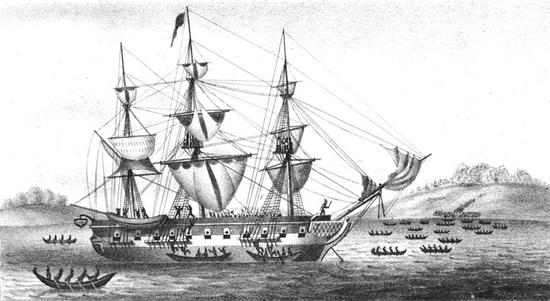
J.J. Astor’s Tonquin before meeting its fiery doom, an epic made famous by Washington Irving’s book Astoria. Edmund Fanning, 1838, Wikimedia Commons
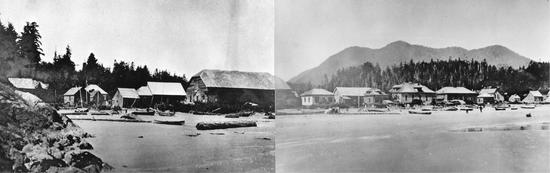
A panoramic view of houses and canoes at Ahousat (circa 1914). Alberni Valley Museum Photograph Collection PN01913

In ceremonial welcome to a potlatch, a large canoe filled with twelve honoured guests is carried by men using poles under the canoe, on the shore at Opitsat on Meares Island. A Union Jack flies from a pole at the canoe’s stern (circa 1916). Alberni Valley Museum Photograph Collection PN02077
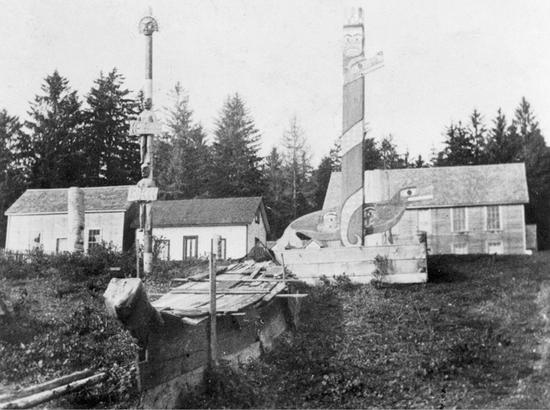
View of Clayoquot village (Opitsat) showing two carved poles, one probably a grave marker. The canoe in the foreground may also contain a burial, and carved houseposts can be seen on the left side of the picture (circa 1900). Alberni Valley Museum Photograph Collection PN03205
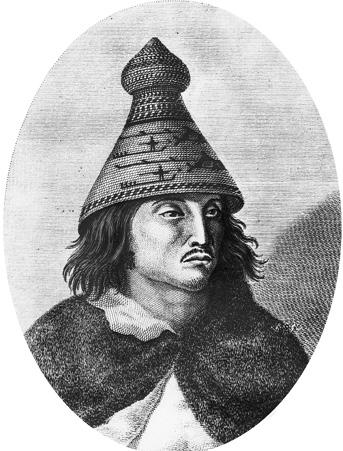
Maquinna, famed chief Tsaxawasip of the Mowachaht of Nootka. Fernando Selma, 1802, Harbour Publishing Archive
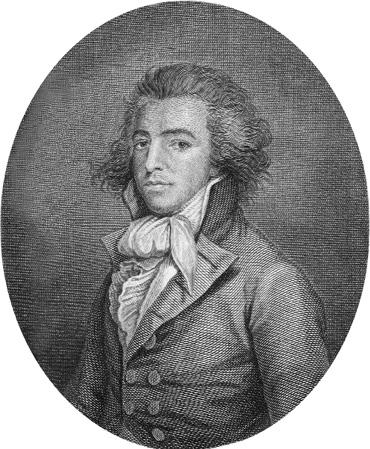
John Meares, ardent merchant adventurer, master and commander, and wizard of geographical spaces. Meares Island commemorates his name. W. Beechey, 1790, Harbour Publishing Archive
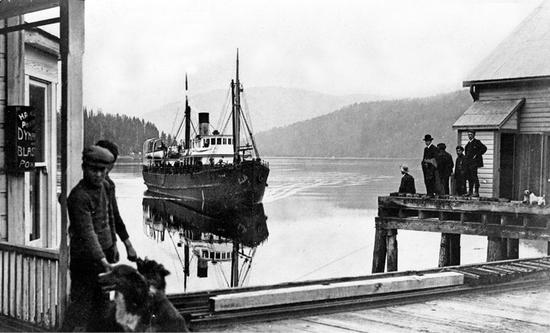
First regular trading vessel to west coast Vancouver Island ports, the lovely Tees, seen here approaching the dock at Alberni (circa 1910). Robert D. Turner Collection
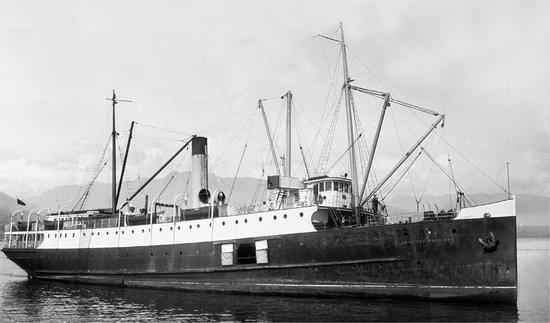
Famed CPR passenger and cargo carrier Princess Maquinna, “Old Faithful,” linked Victoria with all major west coast Vancouver Island communities. Built in Esquimalt in 1913, and shown here in the 1920s, she was a lifeline to the wider world for decades. Cyril Littlebury photo, Robert D. Turner Collection

Indigenous men and women, many of them cannery workers, depended on the Princess Maquinna for transport to and from places of work. Here are some of them, with their belongings, crowding the foredeck. Harbour Publishing Archive
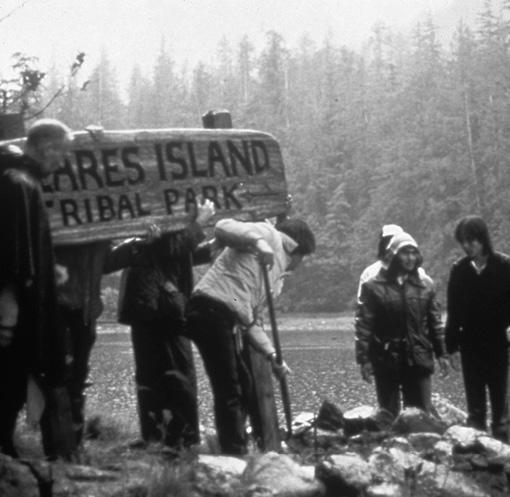
Declaration of Meares Island as a Tribal Park, April 21, 1984. Wilderness Committee Archive
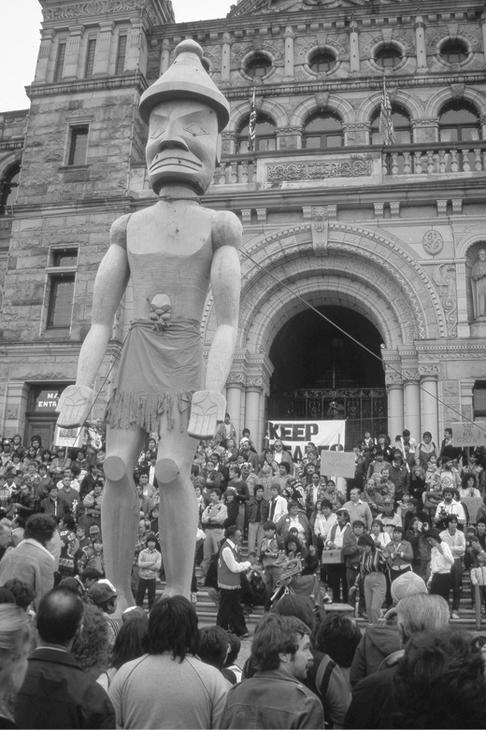
“Save Meares” protest of 1,200 people gathered on the steps and lawn of the British Columbia Legislature in Victoria on October 21, 1984. Wilderness Committee Archive
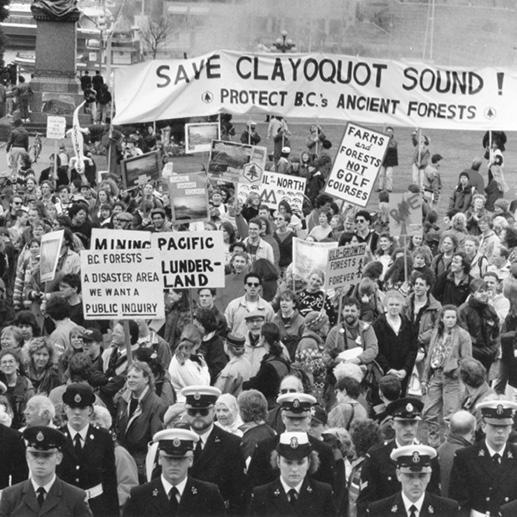
Meares Island crisis led to others, seared deep in memory. Here is the 1993 Clayoquot “War in the Woods” protest on the Legislature grounds, Victoria. Meanwhile, on forest access roads, protesters put up blockades. These led to arrests, charges, and many criminal sentences. Wilderness Committee Archive
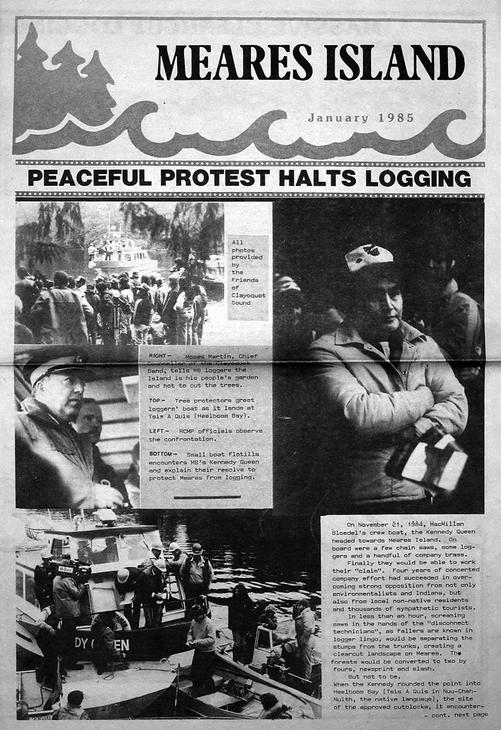
January 1985 report of events of November 21, 1984: (top right) Moses Martin, chief councillor of the Tla-o-qui-aht, tells loggers that the island is his people’s garden and they are not to cut the trees; (top left) tree protectors greet the loggers’ boat as it lands at C’is-a-quis (Heelboom Bay); (middle left) RCMP officials observe the confrontation; (bottom left) a small flotilla of fishing boats meets MacMillan Bloedel’s crew boat, Kennedy Queen, and explains their resolve to protect Meares from logging. Wilderness Committee Archive
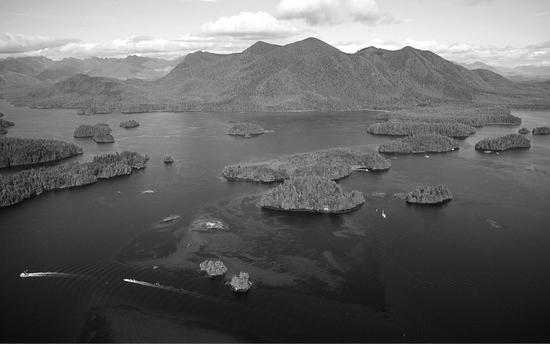
Aerial view of Meares Island. Adrian Dorst photo, Wilderness Committee Archive
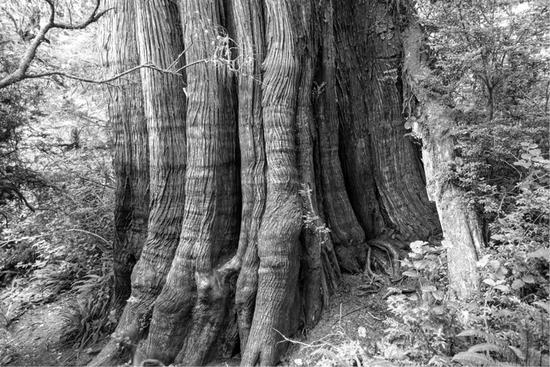
A spectacular cedar tree found along the Big Tree Trail on Meares Island, where some old-growth is estimated to be more than 1,000 years old.christopher, Adobe Stock